

Picture of Published April 21, 2026

Published April 21, 2026

9 Neuro-Inclusive Home Design Hacks (That Actually Help)

Neuro-inclusion at its core is about creating environments, systems, and spaces that work for people across the full spectrum of neurological differences. That includes folks who are autistic, have ADHD, sensory processing disorder, anxiety, or any number of other ways that brains can be wired differently. The goal isn’t to create a sterile, empty box. It’s to be thoughtful and intentional about how our spaces feel, sound, smell, and look, so they support the people living in them rather than overwhelming them. And here’s the thing: neuro-inclusive design benefits everyone. Designing with neurodivergent needs in mind often just means designing better.
What Defines a Low-Stimulus Environment?

A low-stimulus environment is one that reduces the amount and intensity of sensory input reaching the nervous system. That doesn’t necessarily mean a silent, completely bare room. For most folks, it means making thoughtful choices about the four main sensory channels that affect us at home:

  • Visual input: Typically using soft, muted colors and minimizing clutter so the eyes have fewer things to process.
  • Sound: Reducing echo and unpredictable noise using rugs, curtains, and soft furnishings.
  • Smell: Avoiding strong scents from candles or cleaners that can be genuinely overwhelming.
  • Touch: Selecting textures that are well-tolerated by those with tactile sensitivity.

How to Create a Sensory-Friendly Home: Room by Room

1. Swap Out Harsh Lighting First

If we could suggest one thing first, it would be to look at your lighting. Fluorescent lights and cool-white LED bulbs emit a bright, blue-toned light that can be genuinely dysregulating. They can flicker at a frequency that’s not consciously perceptible but still affects the nervous system.

The Hack: Swap them for warm-white bulbs (2700K to 3000K). Floor lamps and table lamps create pools of warm light that feel far less clinical than overhead fixtures.

2. Tackle the Noise (You Might Be Surprised What's Making It Worse)

Hard floors and bare walls are basically a sound amplification system. Every footstep or dropped cup bounces off those surfaces.

The Hack: Layer in soft materials like thick area rugs, heavy curtains, and upholstered furniture. For shared rooms like kitchens, a small white noise machine or even a speaker playing gentle brown noise can mask sudden, unpredictable sounds.

3. Rethink Your Colour Palette

You don’t need to repaint your entire house, but small changes to the dominant colours can shift how it feels neurologically. Highly saturated, bright colours (fire-engine red or neon yellow) tend to stimulate the brain.

The Hack: Shades of warm white, soft grey, sage green, and dusty blue are gentle on the nervous system. If you love bold colour, keep it in small accents rather than large walls.

4. Create a Dedicated Calm-Down Corner

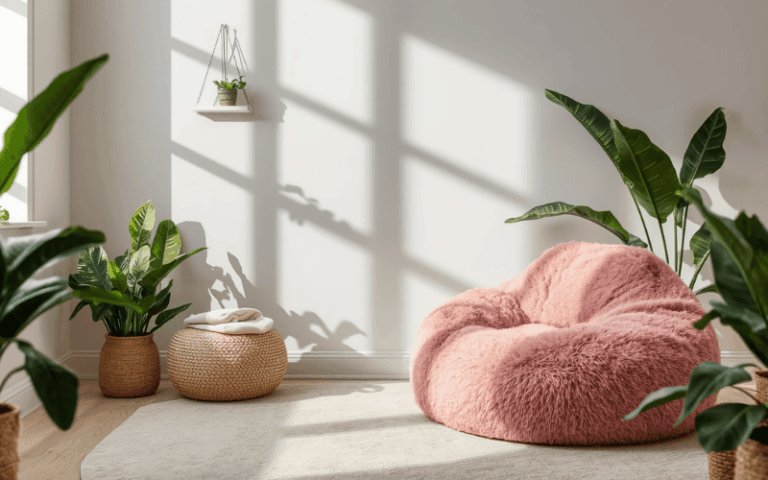
Having a designated physical space in the home where a person can go to regulate is incredibly valuable. It doesn’t need to be a whole room: a corner of a bedroom works perfectly.

The Hack: Ensure it is a semi-enclosed space with soft textures (blankets, cushions), dim lighting, and minimal visual clutter. The message this space sends is: this is a place where you can feel your feelings and get your nervous system settled.

 5. Reduce Visual Clutter Strategically

Clutter is a sensory issue as much as an organizational one. For people who already have a harder time filtering sensory input, a cluttered room can feel exhausting.

The Hack: Use closed storage (baskets with lids, cabinet doors) to keep things tidy without requiring a total minimalist overhaul. Grouping similar items gives the eyes natural resting points.

6. Think About Smell More Than You Probably Do

Scented candles and commercial air fresheners are often not a sensory-friendly home’s friend. For people with smell sensitivity, these can trigger headaches or anxiety.

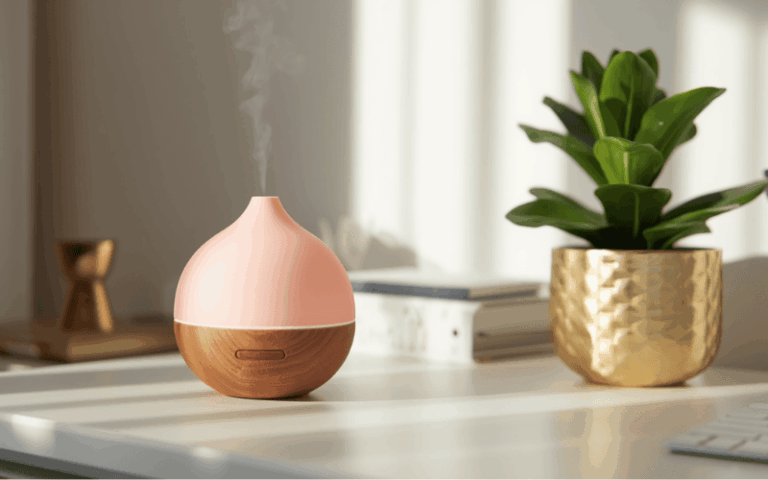
The Hack: Switch to fragrance-free cleaning products. If you love scent, go for subtle natural options like a drop of lavender on a diffuser stone or beeswax candles (if safe to do so) which emit a very faint natural honey scent.

7. Choose Textures Thoughtfully

Tactile sensitivity is one of the most common sensory challenges. The blanket on the couch or the rug under the table are things a person interacts with every day.

The Hack: Err toward smooth, soft textures like microfiber, jersey knit, fleece, and bamboo. Avoid scratchy wool or stiff burlap that might feel irritating or surprising.

8. Manage Transitions with Environmental Cues

Moving from one activity to another can be genuinely difficult. Your home environment can help act as “scaffolding” for these moments.

The Hack: Use visual timers on walls or consistent lighting changes (like dimming lights 10 minutes before dinner). Designated spots for shoes and bags reduce the chaos of arrivals and departures.

9. Integrate Biophilic Design

Biophilia refers to humans’ innate connection to the natural world. Research shows that exposure to natural elements reduces cortisol levels and promotes calm.

The Hack: If it’s possible and safe to do so, bring in real or fake houseplants like pothos or snake plants, maximize natural light by pulling back heavy curtains during the day, and incorporate natural materials like wood, stone, or wicker baskets.

Making Your Home Work for Every Brain

Reducing sensory overload at home isn’t just about one person: it’s a whole-family or residents conversation. When you make the environment more supportive for the person who finds things most overwhelming, you’re usually making it more comfortable for everyone else too!

At CPLF, we encourage you to involve your residents in the process. Giving them agency over their own lighting or textures builds self-awareness and autonomy. Whether you’re just starting to explore sensory-friendly living or you’ve been navigating this for years, we hope these tools help your home become a genuinely supportive, regulating space.

Our hope is that there was at least one sensory-friendly tip that you found helpful and might even apply in your own space to make life that much more calm and enjoyable!

Disclaimer

*This article is provided for informational and entertainment purposes only.

Facebook
Twitter
LinkedIn
Email

More Helpful Tips

It’s better to be an Insider.

Sign up for our monthly CPLF newsletter to always know about our fun events and important updates.